By Andre Thomas, NASM CPT | The F.I.T.T. PIT | June 6, 2026
What Is BootCamp Fitness? (And Is It Right for You?)
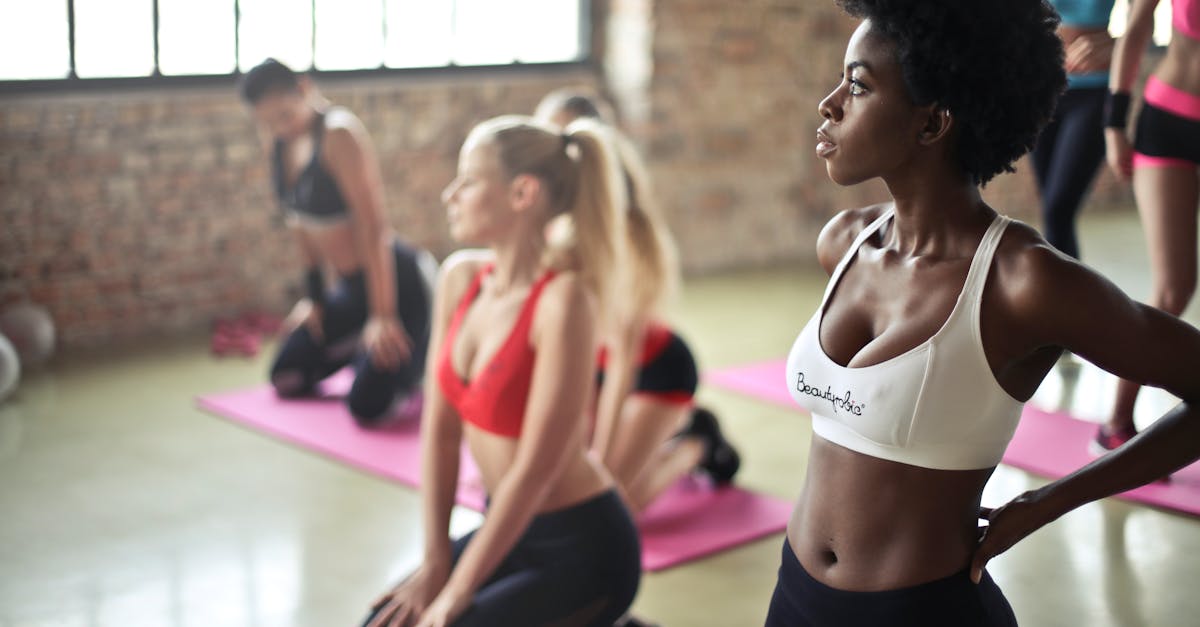
What is bootcamp fitness? It's 60 minutes of coached conditioning — strength, cardio, and movement all mixed into one session. No machines you don't know how to use. No staring at yourself in a mirror wondering what to do next. You show up, you do the work, you leave better than you came in.
What bootcamp fitness actually is (not what you've seen in movies)
Forget the drill sergeant yelling at people in the rain. That's Hollywood. Real bootcamp fitness is structured group training designed to get your heart rate up, move your body through multiple planes of motion, and build functional strength — all in one class.
A good bootcamp class combines cardio intervals, bodyweight work, and light-to-moderate resistance. It's not spin class and it's not a powerlifting session. It sits in the middle: high output, coached, and adaptable to your current fitness level.
The group format is intentional. Research shows that exercising in a group increases workout intensity and adherence compared to solo training. That's not a motivational poster — that's data.
What happens during a bootcamp class
Every class follows a structure. At The F.I.T.T. PIT, that structure looks like this: warm-up, strength circuits, conditioning blocks, and a cooldown. The whole thing runs 60 minutes.
Warm-up is dynamic, not static. You're foam rolling and moving through range of motion before adding load. This matters more after 40 because your tissue is less forgiving at cold-start. We covered strength training for women over 40 in detail — the same warm-up principles apply to bootcamp.
The strength block uses dumbbells, bands, bodyweight, or a combination. You're working in time intervals or rep ranges. The coach demos, you execute, they watch your form.
The conditioning block is where the heart rate climbs. Think battle ropes, kettlebell swings, box step-ups, sled pushes, or whatever combination the coach programmed for that day. It's not random — it's sequenced to produce a training effect.
Who bootcamp is built for
Bootcamp works for most adults 40+, with a few caveats. If you can walk without pain, you can do a modified version of any bootcamp class. The coach's job is to meet you where you are — not force you into movements your body isn't ready for.
Bootcamp is especially good if you've been sedentary and need structure. A gym membership doesn't tell you what to do. A bootcamp class does. That difference matters when your default is standing next to a cable machine and checking your phone.
It's also good if you're already active but stuck in a rut. The variety of bootcamp training prevents adaptation. When your body already knows what's coming, it stops changing. A good bootcamp class keeps it guessing.
What bootcamp is not ideal for: people recovering from acute injury who haven't been cleared for group exercise, or people who need highly individualized programming because of complex medical history. For those cases, training with a semi-private coach might be the better entry point.
The science behind why bootcamp works
Bootcamp-style training produces results through two overlapping mechanisms: metabolic conditioning and muscular stimulus.
The cardio intervals spike your heart rate and train your cardiovascular system. The American College of Sports Medicine recommends at least 150 minutes of moderate-intensity or 75 minutes of vigorous-intensity cardio per week for adults. Two bootcamp sessions covers most of that.
The strength circuits apply load to muscle tissue, which triggers muscle protein synthesis — the process your body uses to repair and build muscle. After 40, this process requires more intentional stimulus because muscle loss after 40 accelerates without regular resistance training.
The combination — cardio plus resistance in the same session — also keeps the caloric burn elevated for hours after class. This is sometimes called EPOC (excess post-exercise oxygen consumption). Harvard Health notes that high-intensity training produces a meaningful afterburn effect that sustained low-intensity cardio does not.

What to expect in your first class
Your first class will be harder than your second. That's normal. Your nervous system is processing a new environment, new movements, and new demands all at once. That's not failure — that's learning.
Show up 10 minutes early. Introduce yourself to the coach. Tell them if you have any injuries or limitations. A good coach will give you modifications before the class starts, not after you've already hurt yourself trying to keep up with someone who's been training for three years.
Wear shoes with lateral support, not running shoes. Running shoes are designed for forward motion. Bootcamp has you moving in multiple directions. A training shoe or cross-trainer handles that better.
Bring water. You'll need it.
On how often to show up: two to three times per week is the sweet spot for most people new to bootcamp. We covered how often to workout over 40 in detail. Recovery matters as much as the session itself.
BootCamp at The F.I.T.T. PIT
The F.I.T.T. PIT has been running BootCamp classes in Hyde Park, MA since 2012. In that time, we've coached over 2,000 Bostonians. The class is 60 minutes of coached conditioning — not a YouTube video you follow on your phone and not a warehouse gym where nobody knows your name.
Every session is coached by Andre Thomas or Selene Williams, both NASM-certified. Selene walked into The F.I.T.T. PIT overweight and self-conscious, stayed consistent, competed in strongman, earned a professional bodybuilding card, and now coaches from the same starting line she came from. That's who's running your class.
The building is inside Parkway Medical Plaza at 695 Truman Pkwy in Hyde Park. Parking is easy. The class size is small enough that you're not anonymous but big enough to feel the group energy.
BootCamp pricing: Drop-in is $25. A 10-pack is $200. Unlimited is $75 bi-weekly. And the first class is free — no card required.
If you want more structure and faster results, pairing bootcamp with intentional nutrition closes the gap significantly. That's what the 28-Day Transformation Challenge is designed for. And if you want to understand how bootcamp compares to training alone, check out the best cardio for women over 40.
Frequently asked questions
Is bootcamp fitness good for beginners?
Yes, with modifications. A good bootcamp coach adjusts movements to your current fitness level. If you've never worked out before or haven't in years, tell the coach before class. Every exercise has a beginner-friendly version that still produces a training effect.
How many calories does a bootcamp class burn?
It depends on your weight, intensity, and how hard you work. A reasonable estimate for a 60-minute coached bootcamp session is 400-600 calories. But calorie burn during class isn't the whole story — the afterburn effect extends elevated metabolism for several hours post-session.
Is bootcamp fitness safe for women over 40?
Yes. The key is coached modification. High-impact movements like jumping can be swapped for low-impact alternatives without sacrificing the training effect. Bootcamp at 40+ should include smart warm-up and cooldown protocols, which is standard at The F.I.T.T. PIT. Consult your doctor if you have a medical condition before starting any new exercise program.
How often should I do bootcamp classes?
Two to three times per week works well for most adults. This allows enough recovery between sessions for your body to adapt and rebuild. Going every day without rest days is counterproductive — you need the recovery to get the results. Check out why recovery days matter for more on this.
What's the difference between bootcamp and HIIT?
HIIT (High-Intensity Interval Training) is a format — timed bursts of max effort followed by rest. Bootcamp is a class structure that often uses HIIT as one of its tools. Bootcamp typically also includes strength work, movement patterns, and a more complete training session than a pure HIIT format. Think of HIIT as an ingredient in a bootcamp recipe.
Do I need to be in shape to start bootcamp?
No. You get in shape by starting. The first class is the hardest part. After that, your body begins to adapt. The F.I.T.T. PIT has had members start bootcamp who couldn't do a full push-up — and a month later they're loading a barbell. Start where you are.
Ready to show up?
BootCamp is 60 minutes of coached conditioning. First class is free, no card required. thefittpit.com


