
By Andre Thomas, NASM CPT | The F.I.T.T. PIT | June 1, 2026
How Many Rest Days Per Week Do You Actually Need After 40?
The question I get more than almost any other: how many rest days per week? And underneath that question is always the same fear — that taking a day off means falling behind. Let me say this plainly. Rest days are not lazy days. They are training days. Your body does not get stronger in the gym. It gets stronger while you sleep, eat, and recover from the gym. Skip rest and you skip results.
Why rest days are not optional
Here's what happens when you train. You break down muscle fibers. You deplete glycogen stores. You stress your nervous system. None of that is a problem — it's the whole point. The problem is thinking the workout itself is where the adaptation happens.
It doesn't. Muscle protein synthesis — the process that repairs and builds new muscle tissue — peaks in the 24 to 48 hours after a training session. That means the growth is happening on your couch. In your bed. On a walk around the block. Not under a barbell.
When you train every day without adequate rest, you interrupt that process. You show up to the next session before the last one is finished. Over time, you accumulate fatigue faster than you accumulate strength. That's not dedication. That's a slow leak.
What actually happens to your body on a rest day
Your muscles repair. The micro-tears from resistance training get rebuilt with thicker, stronger fibers — but only if you give the body the time and resources to do it. This is why strength training for women over 40 has to include a serious recovery protocol, not just the training itself.
Your nervous system resets. Heavy compound lifts — squats, deadlifts, presses — put significant demand on the central nervous system. CNS fatigue is real and measurable, and it doesn't recover overnight. If you're training at high intensity 5 or 6 days a week without planned rest, your nervous system is running on fumes. Your speed, power, and coordination all suffer.
Your hormones rebalance. Cortisol — your stress hormone — spikes with exercise. That's fine in the short term. But chronically elevated cortisol from insufficient recovery is linked to muscle breakdown, fat storage around the midsection, and disrupted sleep. Sound familiar? This is not a motivation problem. It's a recovery problem.
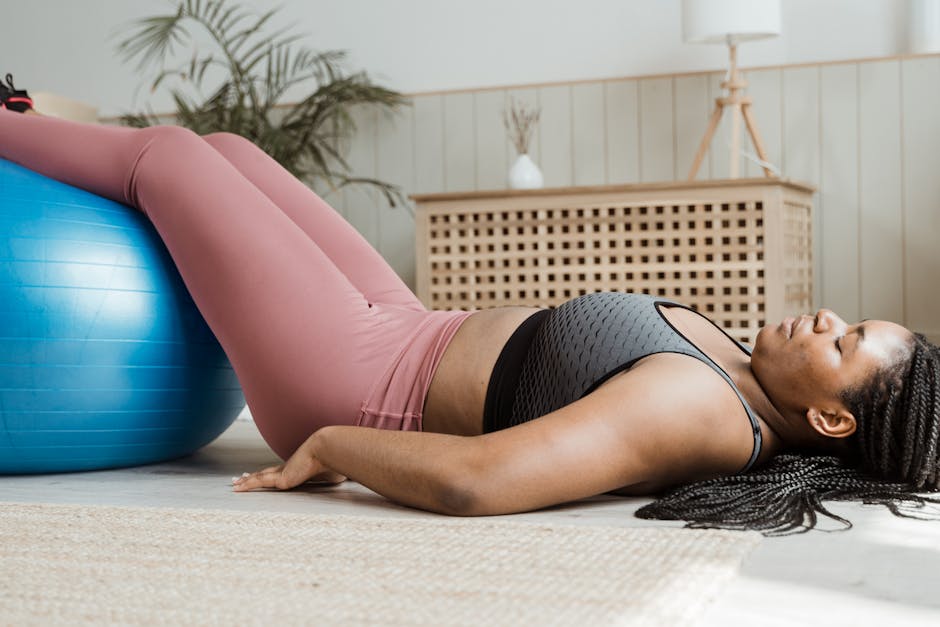
How many rest days per week do you actually need
The honest answer: it depends on training intensity, not just frequency. But here's a baseline that works for most adults over 40.
If you train 3 days per week at moderate to high intensity, 4 rest or active recovery days is appropriate. If you train 4 days, 3 rest days. If you're doing 5 days, you need to make sure at least 2 of those days are genuinely low intensity — or you're asking for a breakdown.
The American College of Sports Medicine recommends 48 hours of recovery between training the same muscle group. That's not a suggestion. That's physiology. Training legs Monday and Tuesday doesn't give your quads time to recover before you're breaking them down again.
At The F.I.T.T. PIT, our members typically train 3 to 4 days per week. That frequency, done consistently and progressively, is what drives the results you see at preventing muscle loss after 40. More is not more. More is just more fatigue.
Active recovery vs. full rest — what's the difference
Full rest means exactly what it sounds like. Nothing. Sleep. Walk to the kitchen. Maybe a short walk outside. Your body handles the repair work and you stay out of the way.
Active recovery means low-intensity movement that promotes blood flow without adding training stress. Think a 20-minute walk, light yoga, foam rolling, or an easy bike ride where you're not breathing hard. Research shows that light active recovery can reduce delayed onset muscle soreness and speed the clearance of metabolic waste from muscle tissue.
Neither is automatically better. If you're extremely sore, full rest is appropriate. If you feel okay but tight, active recovery may help you feel better faster. The key is that neither one should feel like a workout. If it does, it's not recovery.

Signs you are not recovering enough
Most people who train too often don't know it. They think the tired feeling is normal. Some of it is. But there's a point where it stops being productive soreness and starts being a signal.
Watch for these signs. Persistent soreness that doesn't fully clear between sessions. Workouts that feel harder even though you haven't increased the load. Trouble falling or staying asleep. Elevated resting heart rate. Irritability or low motivation. And the big one — dreading your workouts instead of looking forward to them.
These are not signs you need to push harder. Overtraining syndrome is a documented clinical condition with measurable hormonal and neurological markers. It is not a mental weakness. It is a physiological state caused by too much stress and not enough recovery. And it sets you back weeks, not days.
At 40+, you have less margin for this than you did at 25. Your recovery capacity changes after 40 just like your metabolism does. That doesn't mean you can't train hard. It means you have to be smarter about how you structure it.
How to structure your week at 40+
A basic structure that works for most of our members looks like this. Three to four training days. Two to three active recovery or rest days. At least one full rest day where you do very little.
Monday, Wednesday, Friday training with Tuesday, Thursday, Saturday as active recovery and Sunday as full rest is a classic structure for a reason. It spaces the training sessions so each one starts with a recovered body. You're not fighting fatigue every session. You're training fresh.
Sleep is part of recovery and it's not optional. Harvard Health research confirms that sleep deprivation impairs muscle recovery and reduces performance in subsequent training sessions. Seven to nine hours is not a luxury for serious trainees. It's a requirement.
Nutrition also plays a role. Protein intake supports muscle repair. Carbohydrates replenish glycogen. Hydration affects every system in your body. Showing up to a training session depleted because you skipped a meal or slept 5 hours is the fastest way to make 4 days of work feel like 2.

Frequently asked questions
How many rest days per week do I need?
Most adults over 40 need 2 to 3 rest or active recovery days per week. If you train 4 days, take 3 off. If you train 3 days, take 4 off. The right number depends on training intensity, sleep quality, stress levels, and how your body actually feels.
Is it okay to exercise every day?
Technically yes, if you alternate intensity. But for most people over 40, training hard every single day without structured rest leads to overtraining, elevated cortisol, poor sleep, and stalled results. Your body gets stronger during rest, not during the workout itself.
What is active recovery and is it better than full rest?
Active recovery means low-intensity movement on off days — a walk, light yoga, stretching, or foam rolling. It promotes blood flow and reduces soreness without adding stress to the body. Whether it's better than full rest depends on your training volume and how recovered you feel.
Will I lose muscle if I take rest days?
No. You will not lose muscle from 1 to 3 days of rest per week. Muscle breakdown from disuse takes significantly longer than that. Rest days are actually when muscle protein synthesis peaks and your muscle fibers repair and grow.
What are signs I need more recovery time?
Persistent soreness that doesn't clear between sessions, declining performance, irritability, trouble sleeping, elevated resting heart rate, and dreading your workouts are all signs you're under-recovered. These are not signs of weakness. They're your body asking for rest.
Does recovery look different at 40+ compared to my 20s?
Yes. Recovery capacity decreases with age, meaning the same training load takes longer to recover from. This is not a reason to train less — it's a reason to be more strategic. Spacing sessions, prioritizing sleep, eating enough protein, and building in planned rest days all matter more at 40+ than they did two decades ago.
Train hard. Recover harder. Show up to BootCamp fresh.
BootCamp is 60 minutes of coached conditioning. First class is free, no card required. thefittpit.com


