
By Andre Thomas, NASM CPT | The F.I.T.T. PIT | June 12, 2026
Virtual Personal Training: Everything You Need to Know
You think virtual personal training is a guy on a screen counting your reps while you fake it on your living room floor. It's not. Virtual personal training is a real coach writing you a real program, watching your form, adjusting your weights, and holding you to it from wherever you are. The screen is just the delivery. The coaching is the same.
What virtual personal training actually is
Virtual personal training is coaching delivered through an app or video instead of a gym floor. You get a program built for your body, your goals, and your equipment. You log your workouts. Your coach reviews them and changes the plan when your body says it's time.
It is not a YouTube video. It is not a generic PDF you bought once and never opened. And it is not an app that spits out random workouts with no human behind it.
The difference is the coach. A real person looks at your numbers, watches your lifts, and tells you when to push and when to back off. That feedback loop is the whole point. Take it away and you just have a phone full of exercises you'll quit in three weeks.
Why it works better than you'd expect
People assume you need a coach standing over you to get results. You don't. You need a good program and accountability. Virtual coaching gives you both.
The research backs this up. Remote and app-based exercise programs produce strength and fitness gains comparable to in-person training when the program is structured and someone is checking your work. The magic was never the building. It was the plan and the follow-through.
Accountability is the part most people skip. When someone is reviewing your log, you show up. Studies on exercise adherence show that regular check-ins and supervision keep people training longer than going it alone. A coach who sees your missed sessions is harder to lie to than a calendar reminder.
And this matters more after 40. You lose 3 to 5 percent of muscle mass per decade once you cross that line if you don't train against it. That condition is called sarcopenia, and the only thing proven to reverse it is progressive resistance training. You can do that work in a home garage with dumbbells just as well as in a commercial gym, as long as the program is right and someone is steering it.
Who virtual personal training is right for
This works for a specific kind of person. If that's you, it works well.
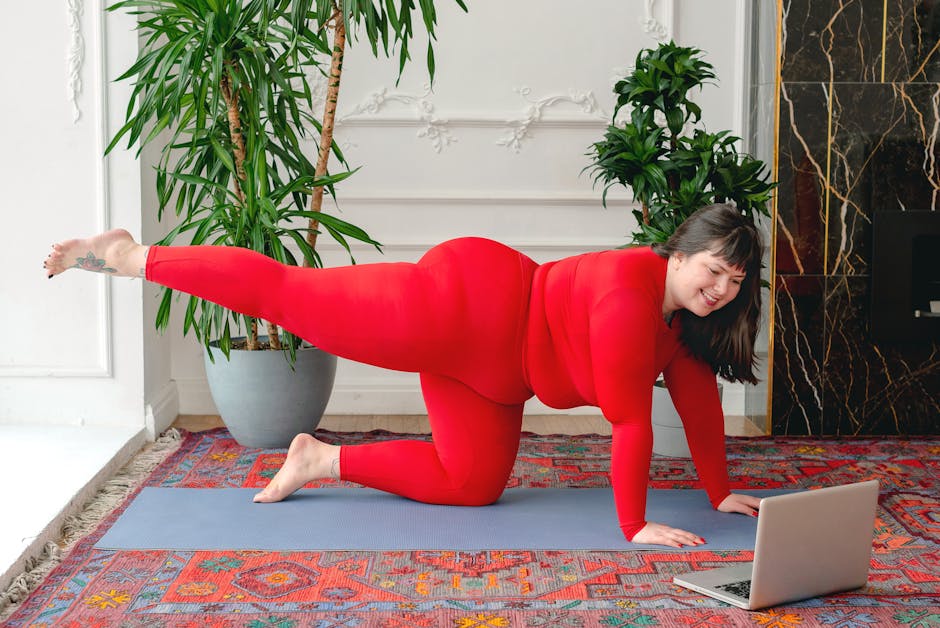
It's for the person who travels and can't keep a class schedule. It's for the parent who can only train at 5am or 9pm when the gym near them is closed or sketchy. It's for the woman who has dumbbells in the basement and wants someone to tell her exactly what to do with them.
And it's for anyone who has tried random apps and quit. Not because they're lazy. Because no one was watching, and no one changed the plan when it stopped working. Virtual coaching fixes both.
It also works if you live too far from a good gym. You don't get priced out of real coaching just because of your zip code. The program comes to you.
Who it's not for
I'll tell you the truth here. Virtual training is not for everybody.
If you have never picked up a weight and you have zero idea how a squat or hinge feels, you'll do better with hands-on coaching first. You need someone close enough to fix your form before you load it. A few weeks in person, then you can take it virtual.
If you need someone physically present to make you go, be honest about that. Some people only train when another body is in the room. There's no shame in it. Know yourself and pick the format that matches.
And if you won't log your workouts, virtual coaching falls apart. The coach can only adjust what they can see. No data, no coaching. Just an app you're paying for and ignoring.
What you actually need to start
Less than you think. You don't need a home gym that looks like mine.
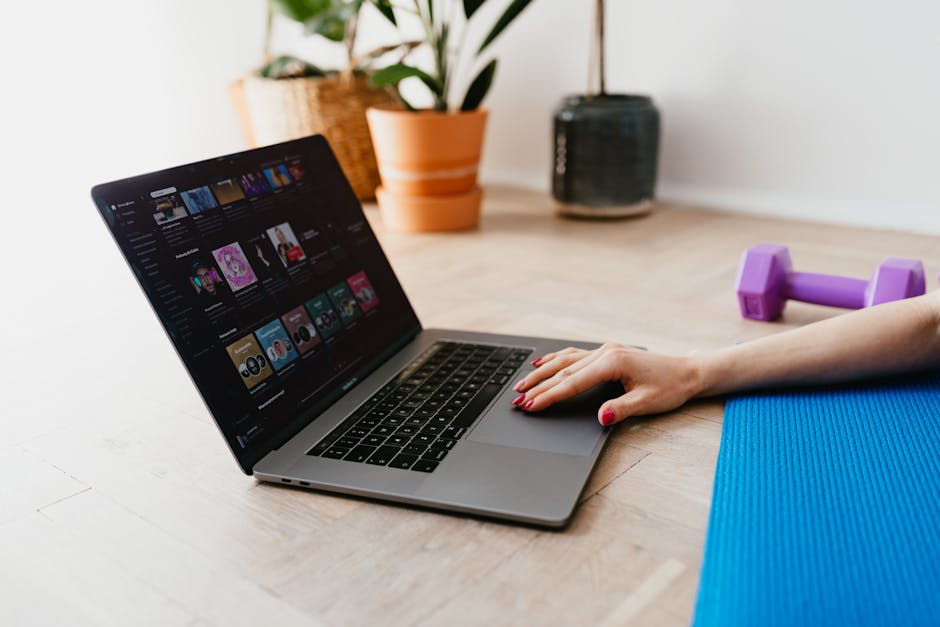
You need a phone, a little space, and some basic equipment. A pair of adjustable dumbbells and a bench cover most of what a 40-plus body needs for strength. Add a band or two and you've got more than enough. The American College of Sports Medicine recommends strength training the major muscle groups at least twice a week, and you can hit that with a corner of a bedroom.
You also need a connection good enough to upload a video and message your coach. That's it. No cable machines. No mirror wall. No monthly fee for a building you barely use.
How F.I.T.T. PIT virtual coaching works
Here's what you get with us. It runs through the F.I.T.T. PIT app, and it's built by the same coaches who run our floor in Hyde Park.
You start with a real conversation about your goals, your injuries, your schedule, and what you have to train with. Then you get a program written for you. Not pulled off a shelf. Written for your body and your week.
You log every session in the app. You film your big lifts. Your coach reviews them, fixes your form, and changes your weights and sets as you get stronger. That's progressive overload, the one principle that actually drives strength and muscle change. We don't guess. We add load as your body earns it.
And you can message your coach when something hurts, when life blows up your week, or when you just need someone to tell you to stop skipping. That's the part the free apps can't give you. A real coach who knows your name and your numbers.
If you want to read more on the principle that drives all of this, we broke down progressive overload in plain language. And if you're new to lifting after 40, start with our guide to strength training for women over 40.

Frequently asked questions
Is virtual personal training as effective as in-person?
For most people past the beginner stage, yes. The results come from the program and the accountability, not the building. Remote coaching delivers strength gains on par with in-person training when a coach is reviewing your work. Total beginners do better with a few weeks of hands-on coaching first.
How much does virtual personal training cost?
Less than in-person, usually a lot less. You're paying for the coaching and the program, not the overhead of a building. Our virtual coaching runs through the F.I.T.T. PIT app at a fraction of what semi-private training costs.
What equipment do I need for virtual training?
A phone, a little floor space, and basic weights. Adjustable dumbbells and a bench handle most of it. A resistance band or two helps. You do not need a full home gym.
Will a coach actually check my form?
Yes. You film your main lifts and your coach reviews them. They'll tell you what to fix before you load up and risk getting hurt. That review is the difference between coaching and a workout app.
Is virtual training good for women over 40?
It's one of the best fits. After 40 your body needs consistent resistance training to fight muscle loss, and virtual coaching makes that easy to keep up around a busy life. You train on your schedule with a real plan behind it.
What if I miss workouts or fall off?
Your coach sees it and reaches out. That's the point. The app isn't there to shame you. It's there so someone notices and helps you get back on track before a missed week turns into a missed month.
Want a real coach without the commute?
Virtual coaching is delivered through the F.I.T.T. PIT app. You get a real program from a real coach, anywhere. thefittpit.com/virtual-coaching


