By Andre Thomas, NASM CPT | The F.I.T.T. PIT | June 17, 2026
Strength Training for Bone Density: How Women Over 40 Protect Their Bones
You think your bones are just sitting there, solid as a brick. They are not. Strength training for bone density is the closest thing you have to a savings account for your skeleton, and after 40 you are quietly making withdrawals every year. Most women find out too late. Let me save you the surprise.
Your bones are living tissue, not scaffolding
Bone is not dead rock. It is living tissue that breaks down and rebuilds itself your whole life. Cells called osteoclasts tear old bone away. Cells called osteoblasts lay new bone down. When you are young, the building outpaces the tearing.
That balance flips with age. Women start losing bone mass in their mid-thirties, and the loss speeds up around menopause. And here is the part nobody warns you about. You can lose up to 20 percent of your bone density in the five to seven years after menopause. That is not a typo. One fifth, gone, in under a decade.
The reason is estrogen. Estrogen protects bone. When it drops, the osteoclasts get aggressive and the osteoblasts cannot keep up. You feel nothing while it happens. Bone loss has no symptoms until something breaks.
Why osteoporosis is the threat you ignore
Osteoporosis means porous bone. The internal structure goes from dense honeycomb to fragile lattice. One in two women over 50 will break a bone because of it.
And a broken bone at 40 is an inconvenience. A broken hip at 70 is a life sentence. The stats on hip fractures in older adults are brutal, and a big chunk of people never get back to walking the way they used to. This is not about looking good in a tank top. This is about staying out of a wheelchair.
The good news. Bone responds to demand. Put load on it and it gets stronger. That is where the barbell comes in.
How strength training builds bone
When you lift something heavy, your muscles pull on your bones. That pull is stress. Your skeleton reads stress as a signal to get tougher, so it lays down more mineral and thickens the structure. This is called mechanical loading, and resistance training has been shown to increase bone mineral density in postmenopausal women.
Walking is fine. Swimming is great for your heart. But neither one loads your bones hard enough to force them to adapt. Your skeleton shrugs at a stroll. It pays attention to a heavy squat.
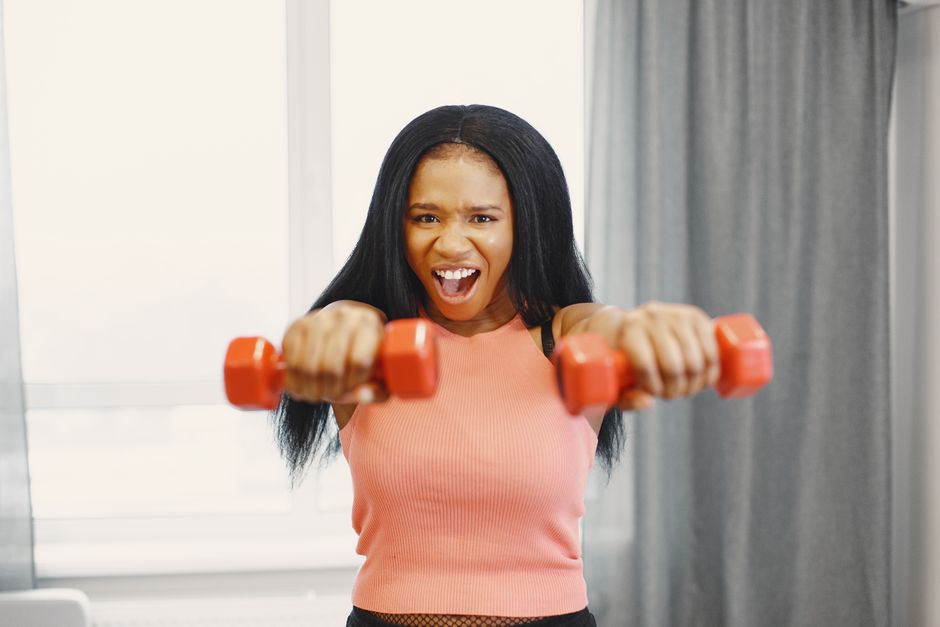
The load has to be real. A two-pound pink dumbbell does not scare your femur into rebuilding. You need weight that challenges you, full body movements, and steady progression over time. That last word matters. The body only adapts to a demand it has not already met.
The lifts that matter most
You do not need 40 exercises. You need a handful of big ones done with real weight and good form.
Squats load your hips and spine, the two places fractures do the most damage. Deadlifts hit your entire posterior chain and teach your spine to handle load safely. Overhead presses load the upper spine and shoulders. Rows build the back that holds you upright. Step-ups and lunges load one leg at a time, which is how you actually live and how most falls happen.
Notice what is not on that list. No bicep curls for an hour. No endless ab circuits. The bones that break are in your hip and your spine, so you train your hip and your spine.

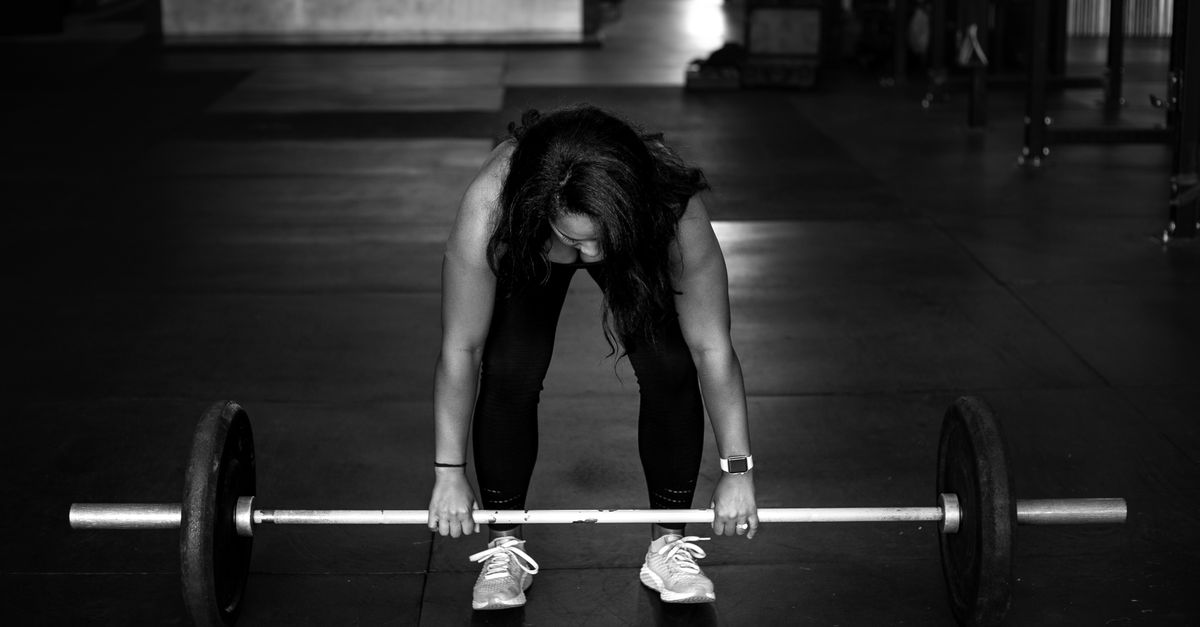
Heavy is the point, not the risk
Women come to me terrified that lifting heavy will hurt them. The opposite is true. Progressive, supervised heavy resistance training is both safe and effective for bone, even in women already diagnosed with low bone density.
The risk is not heavy weight. The risk is bad form and no coaching. A loaded barbell with a coach watching your spine is safer than a sloppy bodyweight class where nobody corrects you. We progress load week by week so your bones and your nervous system adapt together. That is the whole game.
This is why I push StrengthCamp so hard for women over 40. It is built around the lifts that protect the bones you actually fracture.
Protein and the rest of the picture
Lifting is the trigger. But bone is made of more than calcium, and it needs raw material to rebuild. Roughly half of your bone is protein, mostly collagen, so getting enough protein supports the bone-building your training kicks off.
Calcium and vitamin D still matter. Vitamin D helps you absorb the calcium you eat, and most people over 40 are low. Get your levels checked. And the muscle you build doing all this lifting is its own protection, because strong muscles catch you before you fall and break something. Muscle and bone are a team. You cannot lose one without risking the other, which is exactly why muscle loss after 40 deserves the same attention.

When to start, and why it is not too late
The best time to start was 20 years ago. The second best time is this week. You cannot fully reverse decades of bone loss, but you can slow it, hold the line, and in many cases gain density back. The women in my gym who lift consistently are not fragile. They are the ones picking up grandkids and carrying their own groceries at 65.
Age is not the disqualifier you think it is. Inactivity is. Every year you wait, you give bone away for free. Start loading it and you change the trajectory. For more on where to begin if you are new to all this, read strength training for beginners over 40.
Frequently asked questions
Can strength training reverse osteoporosis?
It can slow the loss and in some cases improve bone mineral density, but full reversal is not realistic. The goal is to stop the bleeding and rebuild what you can. Combined with medical care when needed, lifting is one of the few things proven to move the number in the right direction.
How heavy do I need to lift to help my bones?
Heavy enough that the last few reps are genuinely hard. Light weight does not load the skeleton enough to force a response. Work with a coach who progresses your weight over time so you stay safe while you get stronger.
How often should I strength train for bone health?
Two to three sessions a week is the sweet spot for most women over 40. Your bones need the stress, then they need recovery time to rebuild. More is not better here. Consistent is better.
Is walking enough to protect my bones?
No. Walking is good for your heart and your mood, but it does not load your bones hard enough to build density. You need resistance that challenges your muscles and skeleton. Walk for your heart and lift for your bones.
I already have low bone density. Is lifting safe for me?
For most women, yes, with proper coaching and gradual progression. Supervised resistance training is recommended even for women with diagnosed low bone density. Talk to your doctor, then find a coach who knows how to load you safely.
Your skeleton is on the line. Show up.
StrengthCamp is heavy work for bodies that have lived. First class is free. thefittpit.com


