By Andre Thomas, NASM CPT | The F.I.T.T. PIT | July 16, 2026
Rucking for Women Over 40: The Weighted Walk That Builds Real Strength
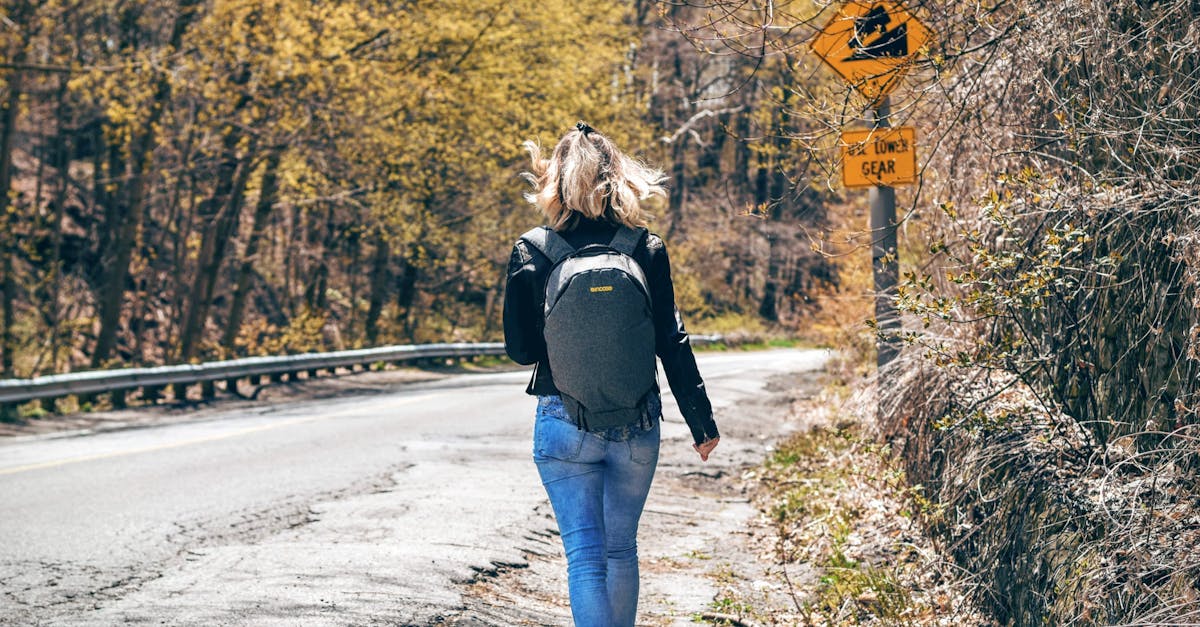
Rucking for women over 40 is not a TikTok trend. It's a weighted backpack, a decent pair of shoes, and a walk that does more for your body than another hour on the treadmill. Strap on some weight, move your feet, and stop pretending cardio has to be complicated.
What rucking actually is (and why it's not just a fancy walk)
Rucking means walking with a loaded backpack. That's it. No app subscription, no $200 shoes required, no class schedule to memorize. Soldiers have done it for centuries because it builds a specific kind of toughness cardio alone can't touch.
Add weight to a walk and you turn a low-effort activity into something that trains your posterior chain, your grip, and your heart at the same time. It's not glamorous. But your body doesn't care about glamorous. It cares about load, and rucking gives it load without the joint pounding of running.
Why women over 40 need this more than a treadmill
Here's the part nobody selling you a fitness watch wants to say out loud. Walking alone stopped being enough for your body a long time ago. After 40 you're losing muscle every year if you're not fighting for it, and a flat, unweighted walk barely asks your muscles to do anything.
Rucking changes the math. The added load forces your glutes, hamstrings, and core to work through every single step instead of coasting. And unlike a lot of trendy workouts, it does this without beating up your knees.

The bone density and heart benefits nobody's marketing
Weight-bearing exercise is one of the few things proven to slow bone density loss after 40, and rucking is weight-bearing exercise you can do for an hour without your joints filing a complaint. Your skeleton responds to load the same way your muscles do. Ask it to carry more, and it adapts by getting stronger.
The National Institutes of Health points to weight-bearing and resistance activity as the two categories that actually protect bone health as you age. Walking with a loaded pack checks both boxes in one session.
And your heart gets dragged along for the ride whether it wants to or not. Add 20 or 30 pounds to a walk and your heart rate climbs into a real training zone without you sprinting a single step. Harvard Health has documented the cardiovascular payoff of consistent walking for years. Load it up and you get that payoff faster.

How to start rucking without wrecking your back
Stop right there before you throw a 40-pound bag of dog food in a backpack and call it a workout. That's how you end up limping into your next appointment with your physical therapist instead of mine.
Start light. Ten to fifteen pounds is plenty for your first few weeks. Load it high and close to your spine, not sagging at your tailbone, and keep your posture tall instead of hunched forward like you're apologizing for existing.
Thirty to forty minutes, two or three times a week, is a real starting point. You're not training for a special forces selection. You're training to move through your 50s, 60s, and 70s without needing help getting off the floor.
The excuse you're about to make (and why it doesn't hold up)
You're already thinking of a reason this won't fit. No time, no trail nearby, no backpack lying around. Fine. You have a neighborhood and a set of stairs and a bag you already own. That's the whole excuse list, gone.
This isn't some elite operator hobby that requires gear you don't have. It's a walk with weight on it. If you can walk to your car, you can ruck. The only thing standing between you and this is deciding you're done waiting for the perfect plan before you start something imperfect but real.
And no, you don't need to look a certain way or hit a certain pace before you're allowed to start. Show up heavier, slower, or more out of breath than you'd like and do it anyway. That's how everyone in this building started, including me.
What weight, distance, and pace actually make sense
Once your body adapts, you can add weight the same way you'd add plates to a bar — a little at a time, not all at once because you got impatient. Most women land somewhere between 15 and 25 pounds for a sustainable weekly habit. Distance matters less than you'd think. A tough 2-mile ruck beats a sloppy 5-mile one.
Your pace should let you talk in short sentences, not gasp them. The American College of Sports Medicine's guidelines on moderate-intensity exercise back this up. If you can't hold a conversation, you've crossed into a zone your joints and your schedule can't sustain long term.
How rucking fits into real strength training — not instead of it
Let me ruin your week for a second. Rucking is not a replacement for lifting. It's a supplement to it, the same way a good warm-up supports a heavy set instead of standing in for one.
Strength training for women over 40 is still the thing that builds and protects your muscle long term. Rucking adds cardio capacity and loaded endurance on top of that foundation. Do both and you cover ground most gyms never even mention. Skip the lifting and only ruck, and you're leaving half the results on the table.
Grip strength is the other quiet win here. Carrying a loaded pack for 30 minutes trains the same grip endurance that grip strength after 40 depends on, and grip strength is one of the better predictors of how well you'll be functioning decades from now. Nobody talks about that at the juice bar.

Our StrengthCamp program builds that foundation with coached, progressive resistance work. Add rucking on your off days and you've got a real program, not a random collection of workouts you saw on Instagram.
I'll be blunt about the other option. Doing cardio machines for an hour and calling it a training program is how women end up "skinny fat," tired, and wondering why nothing changed. Load-bearing work and real strength training together is what actually rebuilds a body. Pick one over the other and you're only doing half the job.
Frequently asked questions
Do I need a special rucking backpack?
No. A sturdy backpack you already own works fine when you're starting out. Just make sure the weight sits high and close to your back so it doesn't pull you into a slouch.
How much weight should I carry when I start?
Ten to fifteen pounds is a smart starting point for most women over 40. You can add weight gradually once your joints and posture adapt to the load.
Is rucking better than walking on a treadmill?
It's not about better. It's about more. A loaded walk asks more of your muscles, your heart, and your bones than an unweighted treadmill session covering the same distance.
Can rucking help with weight loss after 40?
Yes, because it burns more calories than regular walking and builds the kind of muscle that keeps your metabolism working in your favor. It's not a magic fix, but it's a real tool.
Will rucking hurt my knees or back?
Not if you load it correctly and start light. Bad form and too much weight too soon are what cause problems, not the activity itself.
How often should I ruck each week?
Two to three sessions a week is enough to see real benefit without turning it into another source of burnout.
Ready to build strength that actually lasts?
StrengthCamp is heavy work for bodies that have lived. First class is free. thefittpit.com


