
By Andre Thomas, NASM CPT | The F.I.T.T. PIT | April 21, 2026
The supplement industry is a 50-billion-dollar business built mostly on fear and vague promises. Walk into any GNC or scroll through Instagram for ten minutes and you'll find fat burners, hormone balancers, detox kits, metabolism boosters, and about forty-seven variations of "women's wellness." Most of it is garbage.
This post is about what's actually worth buying — and why. Four supplements. All of them backed by solid research. All of them specifically useful for women over 40. And a clear list of what you can stop spending money on right now.
One thing before we get into it: supplements are the last 5%. They don't fix a bad diet. They don't replace training. They don't reverse years of not sleeping. If the foundation isn't there, none of this matters. But if the foundation is there? These four things fill in real gaps.
Why Women Over 40 Have Different Supplement Needs
After 40, muscle synthesis slows down. Your body becomes less efficient at using the protein you eat to build and maintain muscle — researchers call this anabolic resistance. Bone density becomes a real concern as estrogen levels drop during perimenopause and menopause. Recovery takes longer, sleep quality often declines, and cortisol tends to run higher. These aren't random — they're connected. Here's what moves the needle.
1. Creatine Monohydrate

This is the most underrated supplement for women over 40. Creatine has the most research behind it of any supplement on the market — decades of it. The studies on women over 40 are consistent: creatine works.
Creatine increases the amount of phosphocreatine stored in your muscles, which your body uses to regenerate ATP — the fuel source for short, high-intensity efforts like lifting a weight. More creatine means more fuel, which means you can work harder and recover between sets faster. Over time, that means more strength and more muscle.
For women over 40, this matters for three reasons. First, muscle mass is the primary driver of metabolic rate. More muscle means more calories burned at rest. Second, a 2021 PMC review on creatine, resistance training, and aging found that older adults supplementing with creatine while resistance training had better bone mineral density and lean mass outcomes than those who trained without it. Third, a PubMed-indexed meta-analysis on creatine and cognition linked creatine supplementation to measurable gains in short-term memory and reduced mental fatigue — relevant for women dealing with perimenopause brain fog.
Dose: 3 to 5 grams per day, every day, not just on training days. Plain creatine monohydrate — not the expensive "women's" versions. Stir into water or your protein shake. You might see a slight scale increase in the first week or two. That's water being pulled into muscle cells — the mechanism working correctly.
2. Vitamin D3 + K2
Most adults in the United States are deficient in vitamin D — the NIH Office of Dietary Supplements vitamin D fact sheet documents the prevalence and the daily intake levels associated with bone, muscle, and immune outcomes. For women in their 40s and 50s, especially those spending most of their day indoors, the rates are even higher. Vitamin D regulates calcium absorption, supports immune function, plays a role in muscle function, and is connected to mood regulation. Low levels are linked to fatigue, poor bone density, and increased injury risk.
The K2 matters. Vitamin D increases calcium absorption, but K2 directs that calcium into bone instead of arterial walls. They work together. Dose: 2,000 to 5,000 IU of D3 with 100 to 200 mcg of K2 (MK-7 form) daily, with a meal that contains fat.
3. Magnesium Glycinate
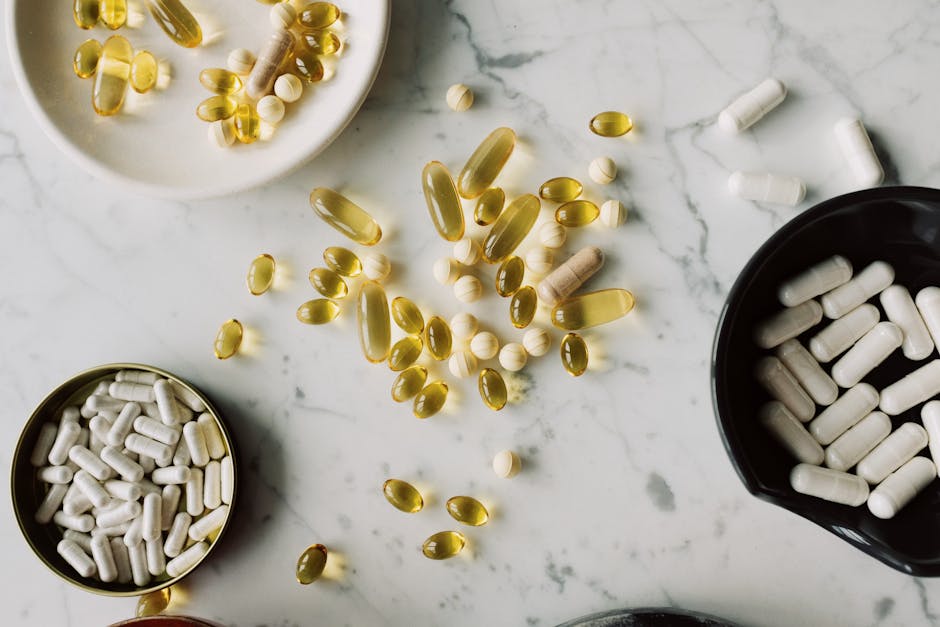
Magnesium is involved in over 300 enzymatic reactions in the body — the NIH Office of Dietary Supplements magnesium fact sheet walks through the role in muscle contraction, nerve function, blood sugar, and protein synthesis. And most people aren't getting enough of it. The modern diet is low in magnesium — stress depletes it, caffeine depletes it, intense training depletes it. The result is a quiet deficiency that shows up as poor sleep, muscle cramps, elevated anxiety, and fatigue — symptoms that get chalked up to "just getting older" when the fix is inexpensive and simple.
Magnesium glycinate specifically is the most bioavailable form and the easiest on digestion — not the magnesium oxide in most cheap multivitamins. Take 300 to 400 mg at night, 30 to 60 minutes before bed. A 2023 PMC systematic review on magnesium and sleep documents measurable improvements in sleep quality among adults who supplemented to correct deficiency — often within a week. Better sleep means better recovery, better hormonal regulation, and better body composition over time.
4. Protein Powder (If You're Not Hitting Your Target Through Food)

Protein powder is food. But it belongs on this list because most women over 40 are consistently under-eating protein, and closing that gap is one of the highest-leverage things you can do for body composition, muscle retention, and recovery.
The target for women over 40 who train: 0.7 to 1 gram per pound of bodyweight per day. For a 150-pound woman, that's 105 to 150 grams. Getting there through whole food is possible but requires planning. Protein powder fills the gap cleanly. Whey protein isolate is the most researched option for muscle synthesis. If you prefer to avoid dairy, a pea plus rice protein blend is a solid alternative. One scoop provides 20 to 25 grams.
A word on collagen protein: it's not a replacement for whey or plant protein. Collagen is missing several essential amino acids, including leucine — the primary trigger for muscle protein synthesis. Don't count it toward your protein target.
What to Stop Buying
Fat burners. No supplement meaningfully accelerates fat loss in a safe way. The "thermogenics" and "metabolism boosters" typically contain high-dose caffeine — which you can get from a cup of coffee for pennies. Save your money.
Detox teas and cleanses. Your liver and kidneys handle detoxification. They're very good at it. No tea undoes a poor diet. These products are laxatives dressed up in wellness marketing, and some contain ingredients like senna that can damage the gut lining with regular use.
BCAAs (if you're already eating enough protein). Branched-chain amino acids are the amino acids found in protein. If you're hitting your protein targets, you already have plenty. They're useful in a very specific context — fasted training — but for most women eating normally, they're an expensive redundancy.
The Next Step
Four supplements. A month's supply of all four together runs less than $80. That's less than most people spend on supplements that do nothing.
If you're not sure where your specific gaps are, go to thefittpit.com/questionnaire. It takes five minutes and gives you a personalized read on exactly where to focus. Free, no card required.
If you're in Boston and want coaching that covers training, nutrition, supplementation, and accountability — the 28-Day Transformation Challenge at The F.I.T.T. PIT is built for exactly this.


