
By Andre Thomas, NASM CPT | The F.I.T.T. PIT | July 11, 2026
How Long Does It Take to See Fitness Results After 40?
Two weeks in and the mirror hasn't said a word. So now you're googling how long does it take to see fitness results, half hoping the answer is next Tuesday and half looking for permission to quit. I've coached over 2,000 Bostonians since 2012. Here's the real timeline. And here's why you keep quitting right before the good part.
The answer nobody wants to hear
Strength changes in about two weeks. You feel different at about four. The mirror starts talking around week eight. Other people notice around week twelve. That's the timeline for a woman over 40 who trains three days a week and eats like an adult.
Not sexy. Not "two dress sizes in ten days." But it's the truth, and the truth is the one thing nobody selling you a flat tummy tea wants you to have. Their whole business model depends on you not knowing this timeline. If you knew week eight was coming, you'd never buy the shortcut.
And before you tell me your body is different — it's not. In 13 years of coaching I have never met the woman whose body skipped the process. I've met hundreds who quit at week three and swore nothing works. Something works. They just walked out before it showed up.
Weeks 1-2: you get stronger before you look stronger
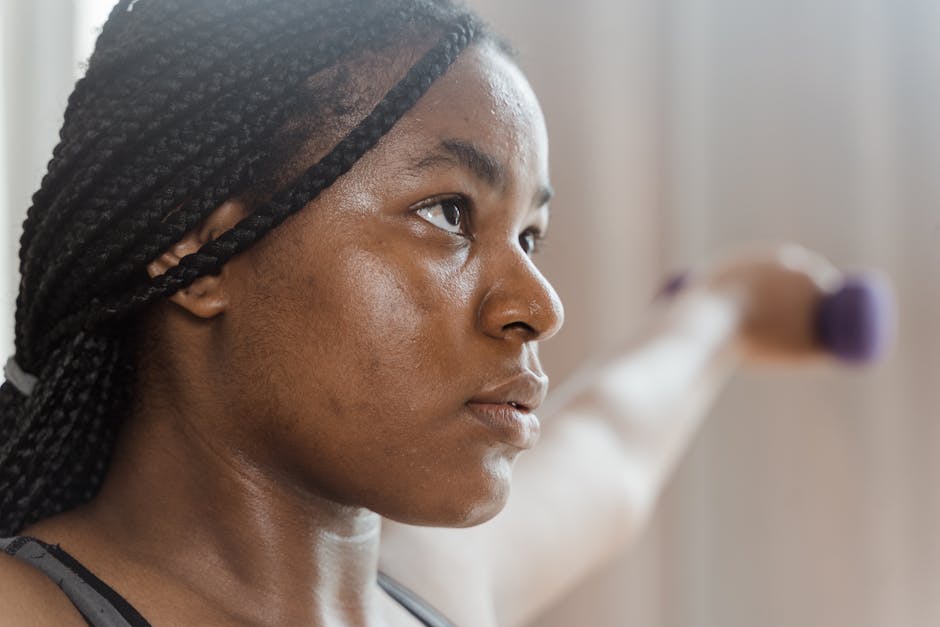
The first change isn't visible. It's your nervous system. In the first two weeks your brain gets better at using the muscle you already own — early strength gains come mostly from neurological adaptation, not new muscle tissue. The dumbbell that humbled you on day one feels lighter by day ten. That's not in your head. That's your head doing its job.
That is a result. You just can't post it on Instagram, so you don't count it. Start counting it.
You'll also sleep deeper and snap at people less, because exercise improves mood and energy long before it changes your shape. Your coworkers get the benefit of your workouts before your waistline does. You're welcome, coworkers.
Weeks 3-6: you feel it before you see it
This is the danger zone. Week three is where most people quit, because the effort is real and the mirror is still silent. You're sore, you're tired, and some influencer just told you her waist snapped back in 21 days. She's 23. Her waist never left.
But pay attention to what's actually happening. The jeans button without the breath-hold. The stairs at work stop being an event. You carry all the groceries in one trip out of spite. Your clothes fit different before the scale moves an ounce, because you're trading fat for muscle, and muscle is denser tissue that burns more calories at rest.
The scale might not move at all during this stretch. That's not failure. That's the trade happening. I wrote a whole post on why the scale isn't moving — read it before you let a number ruin a perfectly good Tuesday.
Weeks 6-12: this is when other people notice
Around week eight, the mirror finally joins the conversation. Your face looks different. Shoulders sit back. The arms have a shape they didn't have in May. By week twelve, the "have you lost weight?" comments start rolling in from people who have no idea you've been at this for three months.
Here's what nobody tells you about that moment: it's annoying. You did twelve weeks of work and they think it happened last Tuesday. Smile anyway. They're seeing the finish of a race they never watched you run.
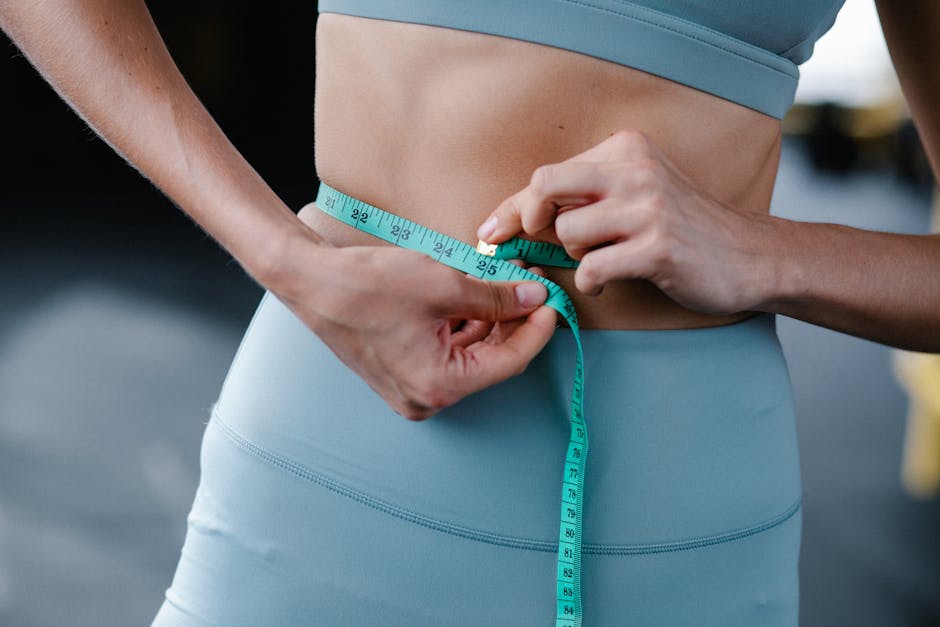
Take measurements at the start. Waist, hips, arms, photos. The tape measure will tell you the truth in week five while the mirror is still playing hard to get.
Why it's slower after 40 — and why that's not an excuse
Let me ruin your week for a second. After 40, your body is losing 3-5% of its muscle mass per decade if you're not training. Recovery takes longer. Hormones shifted the rules mid-game. So yes — your 25-year-old niece sees results faster than you. She also thinks a hangover is cured by a nap.
But slower is not the same as never. The women I coach in their 40s, 50s and 60s build real muscle and lose real fat every single month at strength training built for women over 40. The process still works. It just demands you respect it — show up, lift progressively heavier, and stop restarting from zero every time life sneezes on you.
You think you're the first busy woman over 40 to walk into my gym? You're not. And the ones who stopped negotiating with the timeline are the ones you'd never guess are 55.
What speeds it up — and what stalls it
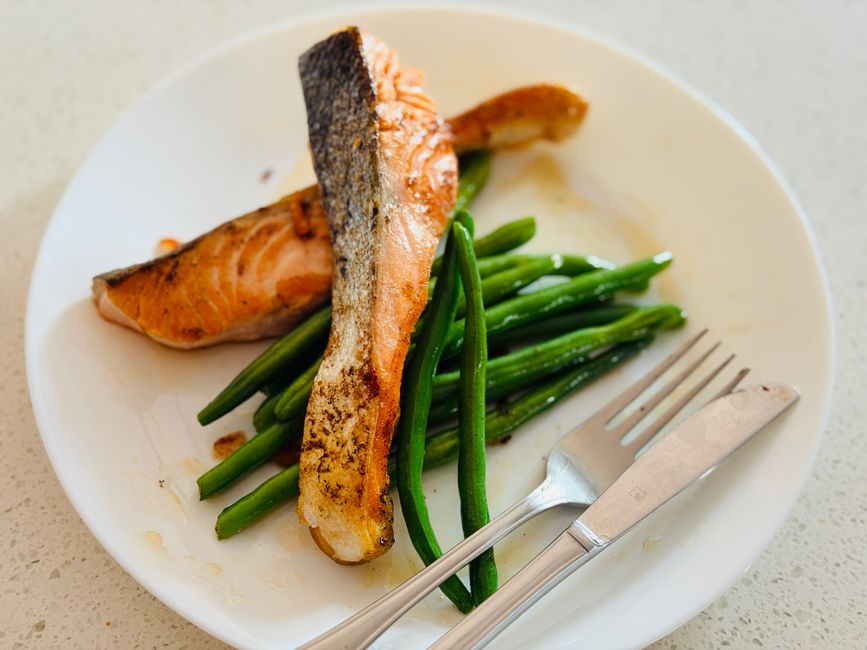
Want the mirror to talk sooner? Three things. Protein at every meal, because higher protein intake preserves muscle while you lose fat. Strength training three days a week — not one heroic Saturday. And sleep, because your muscle is built in bed, not in the gym.
Now the stall list, and be honest about which one is yours. Crash diets that strip off muscle along with the fat, so you end up a smaller version of soft. Cardio-only plans that burn an hour and build nothing — that's why we lost the muscle after 40 in the first place. Program-hopping every two weeks because some app promised faster. And weekends that undo the weekdays. Five good days can't outrun two days of eating like you're on parole.
None of those are information problems. They're patience problems. The plan you'll follow for eight weeks beats the perfect plan you'll quit in three.
Frequently asked questions
How long does it take to see fitness results after 40?
Strength improves in about two weeks, energy and clothes-fit change around weeks three to six, visible changes in the mirror show around week eight, and other people notice around week twelve. That assumes three workouts a week and honest eating.
Why am I not seeing results after a month of working out?
A month is the middle of the process, not the end of it. If your strength is up and your clothes fit better, it's working. If nothing at all has changed, look at protein, sleep, and whether "working out" means two random sessions a week.
Do results take longer for women over 40?
Somewhat. Age-related muscle loss and slower recovery mean the timeline stretches compared to your 20s. It does not mean results stop being available. Women in their 60s build measurable muscle with progressive resistance training.
What results can I expect in a month?
Noticeably more strength, better sleep and energy, looser clothes, and the first visible changes — usually face, arms, and posture before belly. Four weeks is the start of the visible phase, which is exactly why our challenge runs that long.
Can I speed up my results?
You can stop slowing them down. Protein at every meal, three strength sessions a week, seven hours of sleep, and no crash diets. There is no legal way to skip the timeline — only ways to stop sabotaging it.
Is it too late to start at 50 or 60?
No. The timeline holds at any age — resistance training builds strength and muscle in your 50s, 60s and beyond. The only version of too late is not starting.
Stop asking how long and start the clock
You've spent more than twelve weeks thinking about this. That timeline already came and went — you just weren't in it. The 28-Day Transformation Challenge is $99 online ($100 off the regular $199) — one payment, in-person or virtual, backed by the Show-Up Guarantee. New cohorts start the first Monday of every month. thefittpit.com/28-day-challenge


