
By Andre Thomas, NASM CPT | The F.I.T.T. PIT | July 17, 2026
Exercise and Blood Pressure After 40
Your doctor hands you a blood pressure reading and a pamphlet about salt, and you walk out thinking you did something wrong. You didn't. Exercise and blood pressure after 40 is a numbers game your body starts losing the second you stop training your heart like you mean it, and no pamphlet fixes that. Cutting sodium helps a little. Training beats it every damn time.
Why your blood pressure creeps up after 40
Nobody warns you about this part of turning 40. Your arteries stiffen. Not because you did anything wrong, but because the walls of your large arteries thicken and lose elasticity with age, and a stiffer pipe pushes back harder against every heartbeat. That pushback is what shows up as a higher number on the cuff.
Here's the part that makes people mad. This isn't a life sentence handed down the day you turned 40. It's sped up by a body that sits all day, moves rarely, and never asks the heart to work. Stiff arteries and a lazy heart are a package deal. You can slow that package down. Most people just never try.
I've had members walk into The F.I.T.T. PIT with a blood pressure reading their doctor called "borderline" and a face full of dread, convinced this was the beginning of a slow slide into pill bottles and worry. Six months of consistent training later, their numbers come down and their doctor asks what changed. Nothing magic changed. They just stopped skipping the thing that actually works.
What your numbers actually mean
Two numbers. Systolic on top, the pressure when your heart beats. Diastolic on bottom, the pressure between beats. After 40, systolic keeps climbing for decades while diastolic tends to level off or drop a little, which is why your top number gets scarier every year while your bottom number acts like nothing's wrong. That widening gap between them is called pulse pressure, and it's not one to ignore.
You don't need to memorize the physiology. You need to know the number climbing on that reading isn't random, and it isn't unbeatable.

Cardio's job in bringing your numbers down
Walking, jogging, cycling, dancing around your kitchen — it all counts if it gets your heart rate up and keeps it there. A stronger heart pumps more blood with less effort, which means less force slamming against those artery walls with every beat. Consistent aerobic work can lower blood pressure by 5 to 8 mm Hg in people with high blood pressure, which lands in the same range as some medications. Nobody mentions that part when they hand you a prescription and send you home.
You don't need to run a marathon. You need to move enough that your heart stops treating "resting" as its default setting.
Why strength training pulls its own weight
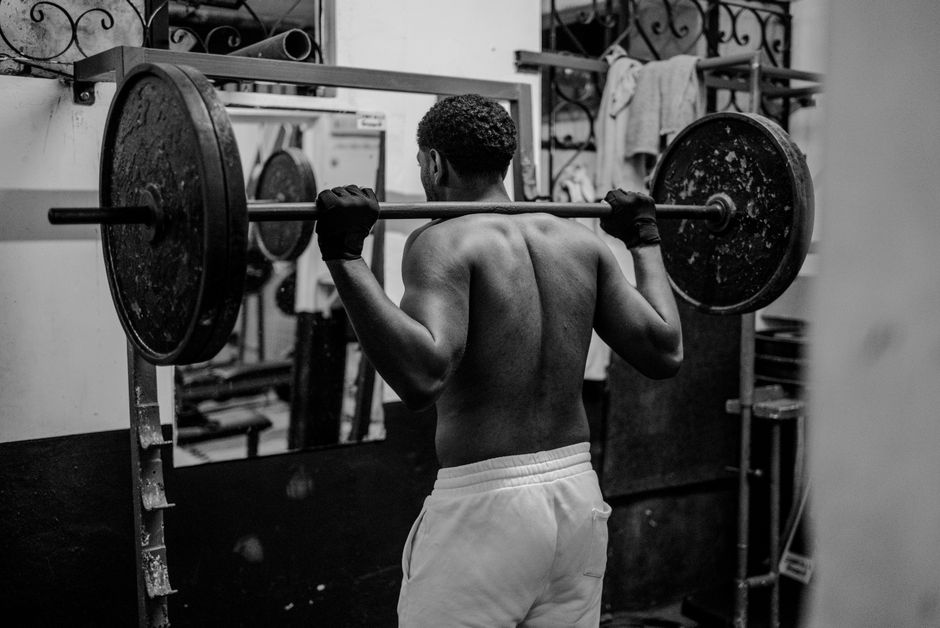
People assume lifting is only about muscle and cardio is the "heart healthy" one. Wrong. A meta-analysis of resistance training in older adults found it significantly reduced both systolic and diastolic blood pressure on its own, no treadmill required. Lifting weights consistently is now recognized as a legitimate way to lower blood pressure, and it's considered safe for most people already on blood pressure medication.
This is where I get opinionated. Every fitness account on your phone is selling 10,000 steps and calling it a full plan. Walking is good. Walking is not enough once you're over 40 and your heart needs a real reason to adapt. Pick up something heavy twice a week. Put it down. Repeat. That's the part nobody's selling you because it doesn't come with a cute app.

What doesn't move the needle (despite what you've heard)
Celery juice doesn't fix your blood pressure. Neither does the supplement your cousin is selling on Facebook. Neither does obsessively cutting salt while you sit at a desk twelve hours a day and never raise your heart rate above mildly annoyed. Sodium matters, sure, but it is not the main event. Regular physical activity changes how your blood vessels function in a way that a low-sodium cracker never will.
I've watched people white-knuckle a sodium-free diet for months, hit a wall, and quit entirely, all while their gym membership sits untouched. That's backwards. Fix the thing that actually works first.
Building a routine that actually helps your numbers
Here's what works, and it isn't complicated. Aerobic work most days of the week, even 30 minutes of walking briskly. Strength training at least twice a week, real weight, real effort. Do both consistently for months, not five days before a doctor's appointment.
Break it down by the week and it stops feeling like a chore. Two or three strength sessions hitting your legs, back, and chest with real resistance. Two or three days of aerobic work, whether that's a brisk walk, a bike ride, or a coached conditioning class that keeps your heart rate up for thirty minutes straight. One day of actual rest, not a guilt-ridden scroll through everything you didn't do. That's the whole formula. No pills, no gimmicks, no cousin's supplement.
This is exactly what we build in StrengthCamp. You show up, a coach puts a plan in front of you, and you stop guessing whether today's workout counts for anything. If you want the full case for why lifting matters this much after 40, read our breakdown on strength training for women over 40. If cardio confuses you, our guide to the best cardio for women over 40 lays out what to do instead of another aimless walk.
Frequently asked questions
Can exercise really lower blood pressure as much as medication?
For some people, yes. Consistent aerobic exercise has been shown to lower blood pressure by 5 to 8 mm Hg, landing in the range of some first-line medications. That doesn't mean you should quit your prescription. It means exercise deserves to be treated like part of the treatment, not an afterthought.
Is walking enough, or do I need to lift weights too?
Walking helps. Walking alone is a start, not a finish line. Strength training adds its own independent benefit to blood pressure, so pairing both gets you further than either one alone.
How fast will my blood pressure improve once I start training?
Some people see change within weeks. Real, sustained improvement takes months of consistency, not one good week before your next appointment.
Is it safe to lift weights if I already have high blood pressure?
For most people on medication, yes, strength training is considered safe and beneficial. Talk to your doctor about your specific numbers, then get a coach who knows how to build you up safely instead of guessing.
Does stress make my blood pressure worse even if I exercise?
It can spike it in the moment. But people who train consistently tend to handle stress with a body that recovers faster, which is one more reason this isn't optional once you're past 40.
What if I hate cardio?
Then lift more and walk instead of running. Nobody said it had to be a treadmill. It has to raise your heart rate and it has to happen most days. How is up to you.
Your numbers aren't a life sentence
StrengthCamp is heavy work for bodies that have lived. First class is free. thefittpit.com


