
By Andre Thomas, NASM CPT | The F.I.T.T. PIT | May 13, 2026
How Much Protein Do Women Over 40 Actually Need?
Most women over 40 are eating way too little protein. Not a little short. Way short. And they have no idea it's why their workouts aren't working, their hunger is out of control, and they keep losing muscle while gaining fat. If you're asking how much protein for women over 40 is the right target, the answer is probably more than you think — and your doctor hasn't told you.
The number most women over 40 get completely wrong
The old RDA recommendation is 0.8 grams of protein per kilogram of body weight. That number was set to prevent deficiency. Not to build muscle. Not to support fat loss. Not to offset the natural muscle breakdown that speeds up after 40.
For active women over 40, research points to a much higher target: somewhere between 1.2 and 1.6 grams per kilogram of body weight. In pounds, that works out to roughly 0.7 to 0.8 grams per pound of body weight. A 150-pound woman should be aiming for around 105 to 120 grams of protein per day. Most women I see in the gym are hitting 50 to 60 grams. That's half what they need.
According to research published in Nutrients, older adults need significantly more dietary protein than the current RDA to maintain muscle mass — with recommendations of 1.2 to 2.0 grams per kilogram depending on activity level.
This gap matters. Every gram of protein you don't eat is a gram your body can't use to rebuild the muscle it just broke down in training.
Why your protein needs increase after 40
Two things happen in your body after 40 that change the protein equation entirely. First, muscle loss after 40 accelerates — a condition called sarcopenia — and it picks up speed with every decade you don't address it. Second, your body becomes less efficient at using the protein you do eat.
This is called anabolic resistance — a well-documented phenomenon in aging muscle. Younger bodies can trigger muscle protein synthesis from a modest protein intake. Older bodies need a bigger stimulus to get the same response. You're not broken. You just need to eat more protein to get the same muscle-building signal your 25-year-old self got from less.
At the same time, estrogen levels drop during perimenopause and menopause. Estrogen plays a role in muscle preservation. When it falls, protein becomes even more critical to offset the loss.
This is not optional. It's physiology. If you want to know how to boost your metabolism after 40, start with protein. Muscle is metabolically active tissue. More muscle means a higher resting metabolic rate. No muscle means a slower metabolism and more fat gain over time.
The best protein sources for women over 40
Not all protein is the same. The quality of a protein source is determined by its amino acid profile — specifically how much leucine it contains. Leucine is the amino acid that triggers muscle protein synthesis. Without enough of it per meal, you don't get the anabolic signal your muscles need.
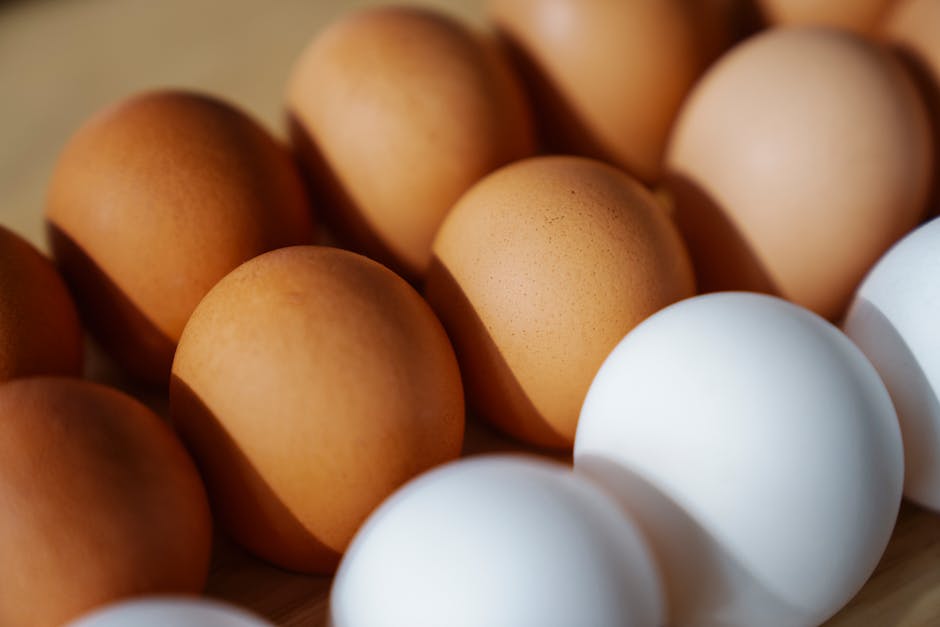
Animal-based proteins are the most complete sources. Chicken breast, eggs, salmon, Greek yogurt, lean beef, cottage cheese, and shrimp all deliver high-quality protein with full amino acid profiles. These should make up the bulk of your daily protein intake.
Plant-based proteins can work, but they require more planning. Most plant proteins are lower in leucine and harder to absorb. If you rely on plants alone, you need to eat more total protein and combine sources deliberately. Soy is the strongest plant option. A combination of rice and peas provides a more complete profile than either alone.
Protein powders are not magic. They're convenient. Whey protein is highly bioavailable and leucine-rich — it's useful after training. Plant-based protein blends are a solid option for those avoiding dairy. But real food comes first. Always.

How to actually hit your protein target every day
Stop trying to cram all your protein into one meal. Your body can only use so much protein at once to stimulate muscle protein synthesis. Spreading it across 3 to 4 meals throughout the day is more effective. That means roughly 30 to 40 grams per meal if you're targeting 120 grams total.
Build every meal around the protein source first, then add everything else. This sounds simple. It is. But it's the opposite of how most people eat. Most people build a meal around carbs — pasta, rice, bread — and add whatever protein fits. Flip that and you'll hit your target without trying.
Breakfast is where most women fall the shortest. A bowl of oatmeal or a banana won't cut it. Eggs with Greek yogurt, a protein shake with milk, or smoked salmon on whole-grain toast will. Front-loading protein early in the day takes the pressure off later.
If you're training hard in our strength training for women over 40 classes, eat 30 to 40 grams of protein within two hours of your workout. That window matters for recovery and muscle repair. The National Academy of Sports Medicine is clear on this: protein timing around resistance training improves muscle protein synthesis outcomes for women in their 40s and beyond.
What happens when you chronically undereat protein
This is where the real damage shows up. And most women don't connect the dots until years have gone by.
When you consistently undereat protein, your body breaks down muscle tissue to meet its amino acid needs. That muscle loss slows your metabolism. A slower metabolism means more fat gain on the same calories. More fat, less muscle, lower energy — that's the trap most women over 40 are stuck in.
On top of that, you'll feel hungrier. Protein is the most satiating macronutrient. Low protein intake drives appetite. Craving sweets, snacking constantly, feeling unsatisfied after meals — these are often symptoms of inadequate protein, not a lack of willpower.
Your joints, hair, skin, and immune function also pay a price. Protein is the raw material for collagen, enzymes, and immune cells. The effects of chronic low protein intake go far beyond the gym.
The 28-Day Transformation Challenge at The F.I.T.T. PIT addresses this directly. Nutrition coaching is built into the program because training without adequate fuel is just breaking yourself down. You can't out-train a protein deficit.
Frequently asked questions
How much protein should a woman over 40 eat per day?
For active women over 40, the research-backed target is 1.2 to 1.6 grams of protein per kilogram of body weight — or roughly 0.7 to 0.8 grams per pound. For a 150-pound woman, that's 105 to 120 grams per day. The old 0.8 grams per kilogram RDA is a minimum to prevent deficiency, not a target for muscle preservation or fat loss.
Is it hard to get enough protein after 40 without supplements?
It's manageable with food, but it takes intentional planning. Most women fall short at breakfast. Building every meal around a quality animal protein — eggs, chicken, Greek yogurt, salmon — makes it much easier to hit your daily target without relying on powders. That said, a quality protein shake after training is a convenient tool, not a crutch.
Does eating more protein cause weight gain?
No. Protein is the least likely macronutrient to cause fat gain because of its high thermic effect — your body burns roughly 25 to 30% of protein calories just digesting it. Higher protein intake is consistently linked to better fat loss outcomes, less hunger, and better preservation of lean muscle during a calorie deficit.
What is the best time to eat protein for muscle building?
Spread it across 3 to 4 meals throughout the day, with 30 to 40 grams per meal. Eating protein within two hours after training supports muscle repair and recovery. Hitting your daily total consistently matters more than any specific timing window, but post-workout protein does have a real advantage for women doing resistance training.
Can too much protein be bad for your kidneys?
For healthy women with no pre-existing kidney conditions, higher protein intake within the research-recommended range is safe. The concern about protein and kidney damage applies specifically to people with already compromised kidney function, not healthy adults. If you have kidney disease or a family history of it, consult your doctor before significantly increasing your intake.
What if I am vegetarian or vegan? Can I still hit my protein target?
Yes, but it requires more planning. Soy-based foods like tofu, tempeh, and edamame are the closest plant proteins to animal protein in quality. Combining rice and peas provides a more complete amino acid profile than either alone. You'll likely need to eat more total protein than an omnivore to compensate for lower bioavailability. A plant-based protein supplement can help bridge the gap.
Stop guessing. Start eating.
First class is free. No card required. Show up Saturday at 9am. thefittpit.com


