By Andre Thomas, NASM CPT | The F.I.T.T. PIT | May 21, 2026
Sleep and Weight Loss: Why You Can't Out-Train a Bad Night
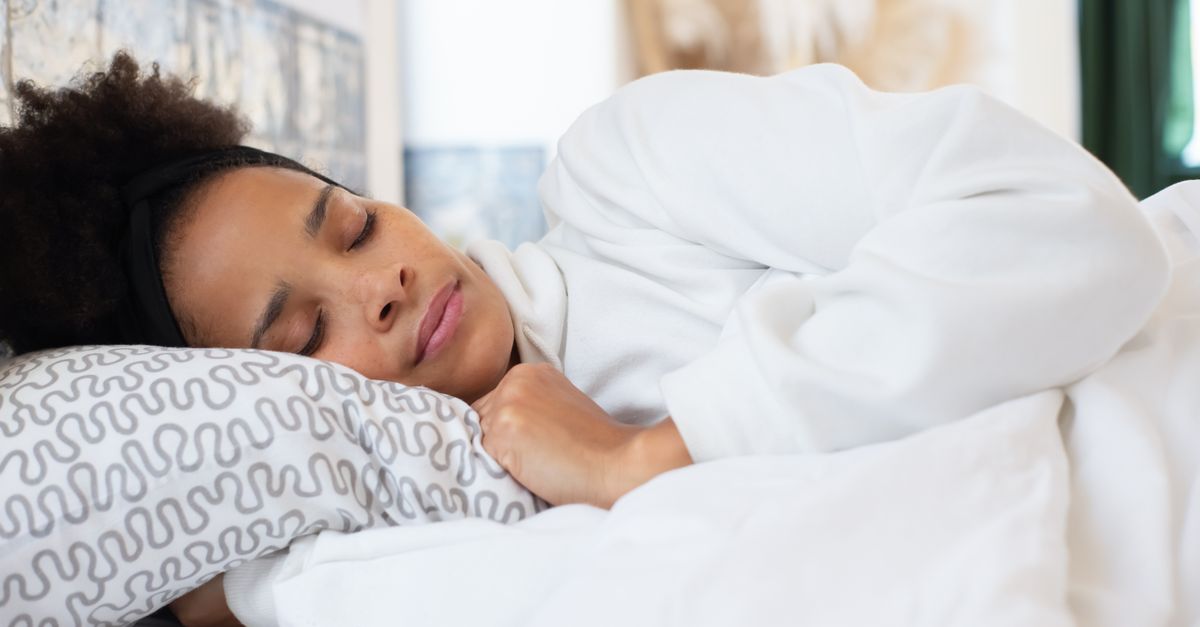
You can train five days a week and eat clean. But if you're sleeping five hours a night, the sleep and weight loss connection will remind you who's actually in charge. Your body will not cooperate with your goals when it's running on empty. Sleep is not a lifestyle bonus. It's a physiological requirement for fat loss to work.
Why sleep deprivation stalls fat loss
When you don't sleep enough, your body's ability to burn fat takes a direct hit. It's not motivational. It's biology.
A study in the Annals of Internal Medicine found that cutting sleep from 8.5 to 5.5 hours per night — while keeping calories identical — reduced the proportion of fat lost by 55%. The subjects lost the same total weight. But on less sleep, more of that weight came from muscle, not fat.
So you're in the gym, you're working hard, and you're still losing the wrong tissue. That's what insufficient sleep does to your results.
What your body does while you sleep — and why it matters for weight
Sleep is not downtime. It's when your body runs most of its repair work.
During deep sleep, your body releases human growth hormone. Human growth hormone drives muscle repair, fat metabolism, and tissue recovery. When you cut sleep short, you cut that hormonal process off early.
Less growth hormone means slower muscle recovery. Slower muscle recovery means less lean tissue over time. And lean tissue is what burns calories at rest. This is part of why muscle loss after 40 accelerates when sleep is chronically poor — the two problems stack on top of each other.

The two hormones wrecking your appetite when you're under-slept
Ghrelin tells your brain you're hungry. Leptin tells your brain you're full. Sleep regulates both.
After just one night of poor sleep, research shows ghrelin levels rise and leptin levels fall significantly. Your hunger signal goes up. Your satiety signal goes down. And it doesn't happen by a little.
A landmark study published in PLOS Medicine found that short sleepers had 73% higher odds of obesity, with measurably elevated ghrelin and suppressed leptin compared to adequate sleepers. You're fighting your diet on hard mode when you're under-slept. The hunger is real. The cravings are real. And no amount of willpower holds up against two hormones running the wrong direction at the same time.
Cortisol — the stress hormone making fat loss harder
Poor sleep raises cortisol. That's your primary stress hormone. And elevated cortisol tells your body to hold onto fat — particularly around your midsection — while breaking down muscle for fuel instead.
Sleep restriction activates the hypothalamic-pituitary-adrenal axis, driving up cortisol release. This is the exact opposite of what you need when you're trying to lose fat and preserve muscle. You're working against yourself.
And here's the part that matters specifically if you're over 40: cortisol sensitivity tends to increase with age and hormonal shifts. The same amount of sleep deprivation hits harder. Your body has less buffer to absorb it. This connects directly to how to boost metabolism after 40 — because cortisol and metabolic function are tightly linked.

Why no amount of training compensates for missing sleep
This is the hard truth. You cannot out-train a bad night.
Exercise adds stress to your body. That stress is productive — when you recover from it. Recovery happens primarily through sleep. If the sleep isn't there, the training stress just accumulates. Over time, that leads to overtraining, increased injury risk, and chronic fatigue that makes you less consistent, not more.
I've coached adults for 13 years at The F.I.T.T. PIT in Hyde Park. I've seen people eat clean, train five days a week, and still not lose weight. And almost every time I dig into their full routine, sleep is the missing variable. They treat it like it's optional. It isn't.
If you want to understand how training and recovery actually work together, our guide on strength training for women over 40 breaks down exactly why recovery is as important as the workout itself.
How much sleep women over 40 actually need
The general adult recommendation from the Mayo Clinic is 7 to 9 hours per night. But “general” doesn't account for everything happening in a 40+ body.
Women going through perimenopause experience more sleep disruptions — night sweats, hormonal fluctuations, elevated baseline cortisol. Even if you're in bed for 7 hours, the question is whether those hours are actually restful and reaching deep sleep stages.
A few signs your sleep isn't cutting it: you wake up tired, your workout performance has dropped, you're craving carbs and sugar by mid-afternoon, you feel mentally foggy, or your recovery between sessions is noticeably slower. If you check more than two of those boxes on a regular basis, sleep is likely one of the reasons your results have stalled.
What to actually do starting tonight
You don't need a $400 weighted blanket or a sleep tracking watch. You need a consistent schedule.
Go to bed and wake up at the same time every day — including weekends. That single change does more for sleep quality than most supplements or gadgets. Your circadian rhythm runs on consistency. Disrupting it on weekends is like flying across two time zones every Friday night and wondering why Monday is brutal.
Other things that work: cut screens 30 to 60 minutes before bed, keep your room cool and dark, avoid caffeine after 1pm, and limit alcohol at night. Alcohol might help you fall asleep, but it significantly disrupts REM and deep sleep stages, leaving you unrefreshed even after a full night in bed.
Track your sleep the same way you track your food and your training. It deserves equal attention. Because none of those other inputs work without it.
Frequently asked questions
Does sleeping more actually help you lose weight?
Yes — if your sleep has been poor. Improving sleep quality and duration can reduce hunger hormones, lower cortisol, and shift weight loss back toward fat instead of muscle. It's not a standalone fat loss strategy, but it's a critical input that most programs ignore entirely.
Can bad sleep cause weight gain even if I'm eating well?
Yes. Research shows that even with controlled calories, sleep restriction shifts weight loss away from fat and toward muscle. It also drives up ghrelin and drives down leptin — making you hungrier and less able to register fullness. You're fighting physics when you're under-slept.
How does sleep affect muscle gain?
Most of your muscle repair happens during deep sleep, when human growth hormone is released. Without enough deep sleep, that repair process gets cut short. You won't build muscle as efficiently, and the muscle you've built is more vulnerable to breakdown — especially after 40.
What's the connection between sleep and cortisol?
Sleep deprivation activates your stress response system, raising cortisol. High cortisol promotes fat storage around the midsection and accelerates muscle breakdown. Women over 40 are already dealing with hormonal changes that affect cortisol sensitivity, which makes sleep deprivation more disruptive for this group specifically.
How many hours of sleep do I need to support fat loss?
Most adults need 7 to 9 hours. For women over 40, sleep quality matters as much as duration. Consistent sleep and wake times stabilize your circadian rhythm, which supports better hormonal regulation and fat loss over time.
Should I nap if I slept badly the night before?
A short nap of 20 to 30 minutes can help with alertness and mood without wrecking your next night's sleep. It won't fully compensate for lost deep sleep. Focus on fixing your nightly schedule rather than trying to catch up on weekends — sleep debt is harder to repay than most people realize.
First class is free. No card required.
First class is free. No card required. Show up Saturday at 9am. thefittpit.com


